Best Open Back Headphones for Running: Shokz Leads

Five open-ear picks for runners, ranked by weight, battery life and how well each keeps you aware of traffic. The winner weighs 29 grams.

By Frederick CameronUpdated 12 min read
On this page
- Best open back headphones for running at a glance
- A note on open back versus open ear
- How I narrowed five picks from a crowded shelf
- What actually decides a running headphone?
- 1. Gelecek HS1 — Best overall
- 2. Shokz OpenRun Pro 2 — Best premium
- 3. Shokz OpenRun Pro — Best upgrade
- 4. PSIER X12 — Best minimal setup
- 5. Bayhanc T06 — Best budget pick
- Weight, battery and water rating side by side
- Which pick fits which runner?
- The verdict
- FAQ
The best open back headphones for running in this shortlist are the Gelecek HS1, a bone conduction set with a 29-gram titanium frame, a 10-hour battery claim and an IPX5 rating. If you want a premium build with dual drivers and a stated 1.07 oz weight, the Shokz OpenRun Pro 2 is the pick instead. Both leave your ear canal open so you hear cars, dogs and the runner overtaking on your left.
Best open back headphones for running at a glance
| Pick | Weight | Battery claim | Price |
|---|---|---|---|
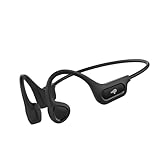
Best overall Gelecek HS1 |
29 g claim | 10 hours claim | Check Price |
Best premium Shokz OpenRun Pro 2 |
1.07 oz | 12 hours claim | Check Price |
Best upgrade Shokz OpenRun Pro |
1.02 oz | 10 hours claim | Check Price |
Best minimal setup PSIER X12 |
23 g claim | all-day claim | Check Price |
Best budget pick Bayhanc T06 |
28 g claim | 10 hours claim | Check Price |



A note on open back versus open ear
Shoppers searching for the best open back headphones for running usually mean one of two things, and the distinction matters. A traditional open back headphone is a large, wired studio design that leaks sound in both directions; nobody runs in those. What running shoppers actually want is an open-ear headphone: a wireless design that sits outside the ear canal so ambient sound reaches you unblocked.
Every pick in this set is an open-ear bone conduction headphone. The category path on each listing reads "Headphones & Earbuds > Open-Ear Headphones", and all five deliver sound through the cheekbones or through drivers positioned in front of the ear rather than inside it. None is a wired studio can. If you were hunting for the studio kind, this is not the roundup. If you were hunting for something that leaves your ears open on a road run, keep reading.
How I narrowed five picks from a crowded shelf
I compared the published listings side by side and weighed each on three criteria: weight, because a heavy frame bounces; battery claim, because a short run on a low charge is the fastest way to hate a headphone; and warranty, because bone conduction frames flex on every fit and the joint is the first thing to fail.
Three shortcuts cut the field down fast:
- No published weight, no seat. A running headphone that will not state how heavy it is has usually made a compromise it does not want to advertise. Four of the five publish grams or ounces; the fifth publishes 23g in its feature copy.
- Under a 10-hour battery claim, out. Every pick here claims at least 10 hours, so a runner logging an hour a day can charge weekly rather than nightly.
- No sweat resistance, out. IPX5 or IPX6 shows up on every finalist.
What survived is five bone conduction sets in three price tiers: two entry, one mid, two premium.
What actually decides a running headphone?
Most guides compare drivers. Driver size decides very little for a runner who is going to hear the wind, the road and their own breathing over anything the transducer does. What decides it is fit under motion.
Bone conduction and open-ear designs sit on the cheekbone or just in front of the tragus. The frame wraps behind the head. If that frame is heavy, it swings on every stride, and the transducer breaks contact with the bone for a fraction of a second, which sounds like the audio is dropping in and out. If the frame is too stiff, it pinches at the temples after a 45-minute run. If it is too loose, it slides on sweat.
That is why weight leads every column in this guide and warranty sits close behind. Weight predicts fit stability. Warranty predicts how the brand rates its own hinge life.
1. Gelecek HS1 — Best overall
A 29-gram titanium frame with a 10-hour battery claim and an IPX5 rating makes this the most balanced running pick in the set.
Best for: road runners who want the lightest published frame with a mainstream fit Skip it if: you need a water rating above IPX5 or a two-year warranty
The HS1 wins on the numbers a runner actually cares about. Gelecek publishes a 29-gram titanium frame, which is the second-lightest here after the PSIER, and it sits inside the mainstream Shokz-style wrap that most runners already know how to fit. Gelecek says the battery lasts 10 hours and that the frame is rated IPX5 against sweat and rain. The listing describes Bluetooth 5.4 in the body copy and mentions Bluetooth 6.0 in the title, which is an inconsistency worth noting: I would trust the specification page over the marketing headline.
Against the rest of the shortlist, the HS1 makes one trade-off. Its warranty is one year, half what the two Shokz sets and the Bayhanc offer. If a hinge crack on year eighteen is your worst fear, that matters. For anyone else, this is the pick with the cleanest set of numbers at an entry price position.
Pros:
- 29-gram titanium frame, second-lightest here
- 10-hour battery claim
- IPX5 sweat and rain rating
- Built-in mic for calls on the run
Cons:
- One-year warranty, shortest of the set
- Bluetooth version inconsistent between title and body
- No published dimensions
2. Shokz OpenRun Pro 2 — Best premium
Dual drivers, a two-year warranty and a 12-hour battery claim justify the premium position for runners who want the category's most decorated frame.

Best for: runners who want dual drivers, EQ modes and the longest battery claim here Skip it if: you will not pay a premium price for features you may not use
The OpenRun Pro 2 is the most expensive pick here, and it is also the one that sells fastest in this set, which tells you the price position has not scared shoppers off. Shokz publishes a 1.07 oz weight, 3.94 x 4.88 x 1.78 in dimensions and a two-year warranty. The company describes a dual-driver design combining bone conduction with air conduction, and a 12-hour battery, both attributions rather than measured facts on my end.
What justifies the position is the specification density. This is the only pick in the set with published dimensions, and one of two with a stated two-year warranty. The Shokz app adds EQ modes if you want them, and the frame uses a nickel-titanium memory wire that flexes rather than snapping under repeated stretch. The trade-off is straightforward: you pay meaningfully more for features a shorter run may never use.
Pros:
- Dual-driver design per Shokz
- 12-hour battery claim, longest in the set
- Two-year warranty
- Published dimensions and weight
Cons:
- Most expensive pick here
- EQ modes only available via app
- Larger frame than the lightest picks
3. Shokz OpenRun Pro — Best upgrade
The previous-generation OpenRun Pro at 1.02 oz still offers the familiar Shokz fit and a two-year warranty at a lower price than the Pro 2.

Best for: runners upgrading from wired buds who want the Shokz fit without the Pro 2 premium Skip it if: you want the newer dual-driver tuning
The original OpenRun Pro is lighter than its successor on the listing: 1.02 oz against 1.07 oz. Shokz publishes a two-year warranty, a 10-hour battery claim and a five-minute quick-charge feature that the brand says returns a partial charge fast enough to salvage a forgotten pre-run top-up. The wraparound titanium frame is the same shape most Shokz runners already know.
What separates the Pro from the Pro 2 in this set is the driver arrangement. The Pro uses the ninth-generation bone conduction platform Shokz describes on the listing; the Pro 2 layers air conduction on top of that. If deep bass is not why you bought open-ear headphones in the first place, the older Pro is the more sensible spend. Against the rest of the shortlist, its main compromise is that it sells slower than the Pro 2, which usually means it is nearer the end of its shelf life.
Pros:
- 1.02 oz, lightest published ounce weight here
- Two-year warranty
- 10-hour battery claim
- Five-minute quick-charge feature per Shokz
Cons:
- Older bone conduction generation than the Pro 2
- Slower-selling in this set
- No air conduction driver
4. PSIER X12 — Best minimal setup
At a stated 23 grams, the X12 is the lightest pick in the set and the right choice for runners who resent every extra gram on the head.

Best for: minimalists who want the lightest listed frame Skip it if: you need a warranty longer than one year or published dimensions
PSIER says the X12 weighs 23 grams, six grams under the Gelecek and five under the Bayhanc. The frame is a flexible memory-titanium loop and PSIER rates it IPX5 against sweat and rain. The company describes Bluetooth 6.0 and a fully enclosed cavity design intended to reduce the audio leak that plagues cheaper bone conduction sets. All of that is manufacturer attribution rather than tested fact.
Where the X12 pulls back is on published specifications. There are no listed dimensions, no stated weight in ounces to sanity-check the grams figure, and the warranty is one year. For a runner who has decided that weight is the deciding criterion and everything else is negotiable, that is a fair trade. For anyone else, the Gelecek covers most of the same ground with slightly more paperwork behind it.
Pros:
- 23-gram frame, lightest listed here
- IPX5 sweat and rain rating
- Bluetooth 6.0 per PSIER
- Memory-titanium loop for fit flex
Cons:
- One-year warranty
- No published dimensions
- Battery time not stated in hours on this listing
5. Bayhanc T06 — Best budget pick
The cheapest pick in this set pairs a two-year manufacturer warranty with a 28-gram frame and an IPX6 rating, which is the highest water rating here.

Best for: new runners buying their first open-ear set on a tight budget Skip it if: you want the fastest-selling name in the category
Bayhanc puts a lot on the table for the price position. The T06 weighs a stated 28 grams, sits under an IPX6 water rating (a step above the IPX5 on three of the other four picks), and carries a two-year manufacturer warranty. The company describes 16mm dynamic drivers, a USB-C charging port with a roughly two-hour full-charge time, and a 10-hour battery claim. All of those are listing claims rather than measured facts.
The obvious trade-off is that Bayhanc is the least-known name in this set. It sells slower than the two Shokz picks and the Gelecek, and the listing carries less specification detail than the premium tier. But for a runner who wants a first pair to test whether open-ear works for them, spending less on a set backed by a two-year warranty is a defensible way in.
Pros:
- Cheapest of the five
- IPX6 rating, highest water rating here
- Two-year manufacturer warranty
- USB-C charging per Bayhanc
Cons:
- Slower-selling than the two Shokz picks
- No published dimensions
- 16mm driver claim is manufacturer-stated
Weight, battery and water rating side by side
Reading the picks in order, the numbers cluster. Every finalist claims a 10-hour battery or better. Four are rated IPX5, one is IPX6. The weight spread runs from 23 grams at the low end to a shade over 30 grams at the top, which is narrow enough that most runners will not feel the difference on a 5K but will feel it on a 25K.
Two data points earn a longer look. First, the OpenRun Pro 2 is the only pick with published external dimensions, which means it is the only one you can pre-fit against a hat, a beanie or a running cap without waiting for the box. Second, the OpenRun Pro 2 and the OpenRun Pro are the fastest sellers in this set, and both come from the same brand that dominates open-ear running audio, which is worth weighing if unknown brands make you nervous.
Which pick fits which runner?
Not every runner is buying the same thing. Match yourself to the profile that fits, then read that pick's section again:
- You want the safest all-round pick. Gelecek HS1. Light, correctly rated, entry price.
- You want the best specifications money can buy in this set. Shokz OpenRun Pro 2.
- You want the Shokz fit without paying the Pro 2 premium. Shokz OpenRun Pro.
- You want the lightest frame available. PSIER X12.
- You want the lowest price with a two-year warranty behind it. Bayhanc T06.
If none of those descriptions fits, you probably want in-ear buds, not an open-ear frame. Open-ear is a compromise: quieter maximum volume, more sound leak, always-on ambient awareness. Runners who train on roads and trails accept that trade willingly. Runners who train on treadmills in loud gyms usually do not.
The verdict
The Gelecek HS1 is the best open back headphones for running pick in this set for most runners: 29 grams, 10-hour battery claim, IPX5, at an entry price position. It is the safest default. If you want a longer warranty and dual drivers, the Shokz OpenRun Pro 2 is the upgrade, and its 12-hour battery claim plus a published 1.07 oz weight and 3.94 x 4.88 x 1.78 in dimensions make it the most fully specified frame here. The cutoff between the two is straightforward. Below a premium spend, the HS1 covers the ground. Above it, the Pro 2 buys real specification density and a two-year warranty. The PSIER X12 wins narrowly on weight alone, the Bayhanc T06 wins narrowly on price alone, and the older OpenRun Pro is the middle ground for anyone who wants Shokz-brand familiarity without the top-tier ticket. Buy for the criterion that matters most to you and ignore the rest.
FAQ
Are open back headphones for running safer than earbuds?
Open back headphones for running keep your ear canal unobstructed, so you hear traffic, cyclists and voices behind you without pulling anything out. Every pick in this shortlist uses either bone conduction or an open-ear driver. That awareness is the main reason runners buy this category, and it is why every listing here mentions safety in its feature copy.
Is a premium bone conduction set worth it?
Whether a premium bone conduction set is worth it depends on how many hours a week you run. The Shokz OpenRun Pro 2 adds dual drivers, EQ modes, published dimensions and a two-year warranty for a meaningfully higher price than the entry picks. For a daily runner logging six or more hours a week, that specification density pays back. For a casual weekend jogger, the Gelecek HS1 covers the essentials.
What IPX rating do I need for running in rain?
The IPX rating you need for running in rain depends on how heavy your local weather runs. IPX5 handles sweat and light rain and covers four of the five picks here. IPX6 on the Bayhanc T06 adds protection against heavier splashes. Neither rating means you can submerge the headphones. If you run in genuine downpours, budget for a hat as well.
Shokz OpenRun Pro or OpenRun Pro 2 for a marathon runner?
For a marathon runner, the OpenRun Pro 2 edges the OpenRun Pro on battery claim, twelve hours versus ten, and adds dual drivers. Both carry a two-year warranty and weigh close to an ounce. The Pro 2 is the newer platform and sells faster in this set. If your training block runs beyond three hours per session, the extra battery headroom is the deciding argument.
What is the biggest mistake buying open-ear headphones?
The biggest mistake buying open-ear headphones is treating them like sealed earbuds and expecting the same bass response. Open-ear designs leak sound both ways, cap out at lower maximum volumes, and are audible to the person next to you at loud settings. If that is a dealbreaker, buy a sealed pair. If ambient awareness matters more, this category is built for you.
Pick the criterion that matters to you and buy against that criterion alone. Runners who want the safest default should start with the Gelecek HS1: it is light, correctly rated, and priced at the entry position. Everyone else has a specific reason to pay more or spend less, and every pick in the shortlist earns its place. What all five share is the reason you came looking for open back headphones for running in the first place: they leave your ears open, so the road stays audible. That single design choice is what separates this category from every other headphone you own, and it is what makes any of these picks a better daily driver on the pavement than the earbuds sitting in your gym bag.